

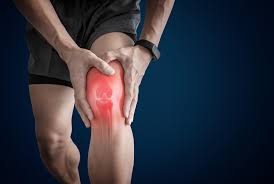
What are the causes, symptoms, and treatments of joint pain and swelling?
Joint discomfort and oedema can have serious and incapacitating consequences, impacting millions of people globally. Although minor joint discomfort is to be expected, chronic or severe joint pain and oedema can have a substantial impact on an individual’s quality of life. We go into the symptoms, causes, and treatments of joint pain and oedema in this comprehensive book, giving critical knowledge that will assist you in understanding and effectively managing these difficulties.
What are the signs of joint swelling and pain?
Joint pain and edema can present in a variety of ways, depending on the underlying cause and the exact site of involvement. Typical symptoms include:
Pain:
A persistent ache or discomfort in the affected joint. Swelling is defined as visible or palpable edema, which is usually accompanied by redness and warmth.
The feeling of stiffness:
In particular, joint immobility after periods of inactivity. The inability to perform full joint movements because to a limited range of motion.
Pain o Soma 500mg is used to treat moderate to severe acute pain. It is used to treat a wide range of diseases, including fevers, migraines, period discomfort, toothaches, and colds. When other therapies fail, it successfully relieves pain.
Common Sources of Joint Swelling and Pain
There are various probable causes for joint soreness and edema, which include:
Arthritis:
Arthritis is usually mentioned as a major cause of joint discomfort and edema. Rheumatoid arthritis and osteoarthritis are the two most common types of arthritis. Osteoarthritis is a degenerative joint disease mostly affecting weight-bearing joints, such as the knees and hips, and is caused by cartilage deterioration.
Rheumatoid arthritis is defined as an autoimmune illness that causes joint inflammation as well as systemic discomfort.
Injuries that occur by chance
Physical injuries that can cause joint discomfort and inflammation include sprains, strains, and fractures. Joint structures can be harmed by repeated stress or acute trauma. Bacterial, fungal, or viral infections that target the joints can cause intestinal inflammation, discomfort, and enema. A severe joint infection is an example of septic arthritis.
Gout
Gout is a type of arthritis that occurs when uric acid crystals build up in the joints. Excruciating pain and swelling are typical symptoms in the great toe.
Other Health Issues
Lupus, psoriasis, and Lyme disease are some medical diseases that may lead to joint issues. These disorders are characterized by immune system deficiencies and inflammation.
Joint Pain and Swelling Diagnosis
Accurate diagnosis is crucial for therapy efficacy. A healthcare provider may use the following diagnostic techniques:
Physical examination:
The sensation, appearance, and range of motion of the afflicted joint are all evaluated. Ultrasound, X-ray, and MRI scans can all identify structural problems. Pathological inflammation or particular biomarkers associated with autoimmune illnesses are detected via blood testing. Synovial fluid taken from the afflicted joint was tested for the presence of crystal formations or infection.
Alternative Medicine
The severity of the symptoms and the underlying cause determine whether joint pain and edema necessitate treatment. The following are some examples of common therapeutic interventions:
Analgesics and nonsteroidal anti-inflammatory medications (NSAIDs) are pain relievers that are available by prescription or over-the-counter. They have the ability to decrease inflammation and relieve pain.
Disease-Modifying Antirheumatic drugs (DMARDs) are pharmaceutical medications used to treat autoimmune arthritis, such as rheumatoid arthritis.
Corticosteroids:
Corticosteroids may provide rapid pain and inflammatory relief when administered directly into the afflicted joint. Pain o Soma 350mg pills are indicated for the treatment of moderate to severe pain, including but not limited to toothache, cerebral discomfort, and different joint and muscle diseases.
Rehabilitation Therapy
Physical therapy can help joints become more flexible and resilient, lowering pain and preventing future issues. Exercise routines tailored to individual joint problems have the ability to alleviate them.
Changes in one’s way of life
A balanced diet and keeping a healthy weight, in addition to frequent low-impact exercise, are all helpful approaches for relieving joint discomfort and swelling.
Surgical Procedures
Surgical intervention may be required in emergency cases. Surgical joint replacement, for example, may result in improved joint function and long-term alleviation.
Joint Pain and Swelling Prevention
While it is impossible to avoid all causes of joint discomfort and edema, several precautions should be taken:
Joint strain can be decreased by keeping a healthy weight.
Consistent physical activity helps to strengthen the muscles that support the joints.
While engaged in strenuous activities, protect your joints. Maintain a nutritionally balanced diet rich in anti-inflammatory foods such as seafood, fruits, and vegetables. Effectively manage underlying medical issues, particularly autoimmune illnesses.
Carisoprodol is a commonly prescribed medicine used to alleviate pain ranging from mild to severe. It contains an opioid analgesic, which works by blocking pain impulses in the brain and decreasing pain perception.
Conclusion:
Joint soreness and edema are prevalent diseases that can considerably impair with daily functioning. To properly manage and alleviate these problems, it is critical to understand the symptoms, causes, and treatment choices. If you or a loved one is having persistent joint pain and swelling, seek medical help right away to determine the core cause and develop a specific treatment plan.