

US ZE Trucks Market Size, Share, Analysis and Forecast (2022-2030)
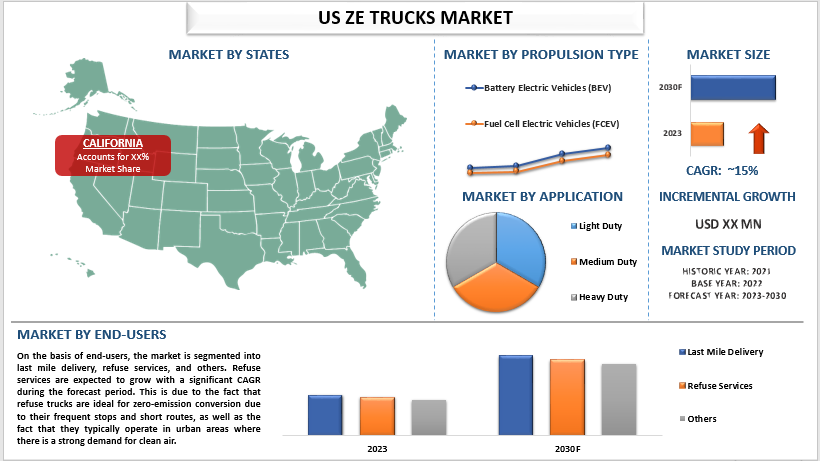
In a world that’s increasingly conscious of its environmental footprint, the automotive industry is undergoing a profound transformation. One of the most notable shifts is the growing interest in zero-emission vehicles. Among these, zero-emission trucks have emerged as a key player, revolutionizing the way we transport goods while reducing carbon emissions. In this comprehensive guide, we’ll delve into the US Zero Emission Trucks Market, exploring its growth, challenges, and the road ahead. According To UnivDatos Market Insights – The US ZE trucks market is expected to grow at a strong CAGR of around 15% during the forecast period as governments around the country implement policies to incentivize the purchase of EVs, including tax credits and subsidies. This has led to a surge in demand for EVs, which in turn is driving down the demand for EV Trucks.
Access sample report (including graphs, charts, and figures):https://univdatos.com/report/us-ze-trucks-market/get-a-free-sample-form.php?product_id=39411
Understanding Zero Emission Trucks (H2)
Before we delve into the specifics of the US market, let’s establish a clear understanding of zero-emission trucks. These trucks are powered by alternative energy sources, primarily electricity and hydrogen, and emit zero tailpipe emissions. Unlike traditional diesel trucks, they offer a cleaner and more sustainable solution to freight transportation.
The Growth of Zero Emission Trucks (H3)
Over the past few years, the zero-emission truck market in the United States has witnessed remarkable growth. Several factors have contributed to this trend, including government incentives, stricter emissions regulations, and increasing environmental awareness among businesses and consumers.
Key Players in the Market (H3)
The market is characterized by a diverse range of manufacturers and startups, each contributing to the development of zero-emission truck technology. Prominent names include Tesla, Nikola Corporation, and Rivian, among others.
Advantages of Zero Emission Trucks (H2)
Environmental Benefits (H3)
One of the primary advantages of zero-emission trucks is their positive impact on the environment. By eliminating tailpipe emissions, they play a crucial role in reducing greenhouse gas emissions and mitigating climate change.
Cost Savings (H3)
While the initial purchase price of zero-emission trucks may be higher, businesses can benefit from significant cost savings in the long run. These trucks have lower operating costs, including reduced fuel expenses and maintenance requirements.
Challenges and Hurdles (H2)
Infrastructure (H3)
The widespread adoption of zero-emission trucks is hindered by the lack of charging and refueling infrastructure. To address this issue, significant investments are required to build a comprehensive network of charging stations and hydrogen refueling stations.
Range Limitations (H3)
Another challenge facing zero-emission trucks is their limited range compared to traditional diesel trucks. Improving battery and hydrogen fuel cell technology is essential to extend their range and make them more versatile.
Future Prospects (H2)
Despite the challenges, the future looks promising for the US zero-emission truck market.
Government Support (H3)
Government initiatives and incentives, such as tax credits and grants, are expected to boost the adoption of zero-emission trucks among businesses.
Technological Advancements (H3)
Continued advancements in battery technology and hydrogen fuel cell efficiency will likely address current limitations and make zero-emission trucks more competitive.
Conclusion (H2)
In conclusion, the US Zero Emission Trucks Market is on the cusp of a significant transformation. As environmental concerns continue to grow, the demand for clean and sustainable transportation solutions is expected to soar. With government support and ongoing technological advancements, zero-emission trucks are poised to revolutionize the trucking industry, paving the way for a greener and more eco-friendly future.